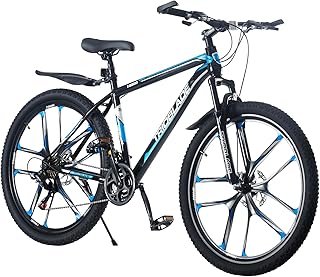
The Pros and Cons of Different BMX Frame Materials: Aluminum vs Chromoly
Introduction
When it comes to choosing a BMX frame, one of the most critical decisions you'll need to make is the material. Two of the most popular choices are aluminum and chromoly. Each material has its own set of pros and cons that you should consider before making a decision. In this article, we will explore the advantages and disadvantages of aluminum and chromoly BMX frames to help you make an informed choice.
Aluminum BMX Frames
Aluminum BMX frames are known for being lightweight, stiff, and responsive. They are a popular choice among riders who prioritize speed and agility. Here are some of the pros and cons of aluminum BMX frames:
People Also Look For:
- SENQI MTB BMX DH FR Bike Downhill Stem 22.2×28.6×50mm Aluminum Alloy Bicycle Short Stem Black And Silver Available
- SENQI MTB BMX DH FR Bike Downhill Stem 22.2×28.6×45mm Aluminum Alloy Bicycle Short Stem Black Available
- BOBILIFE Bike Frame Bag with Phone Holder - Both Sides Twin Bag Waterproof Bicycle Top Tube Pouch Storage Bag for Cycling Road Mou...
- Hiland 20 Inch 3/5 Spoke Kids BMX Bike for Boys Girls Ages 7-13, 360 Degree Rotor Freestyle, 4 Pegs Single Speed Kid’s BMX Bicyc...
- Hiland 24/26 Inch BMX Bike for Boys and Girls, Beginner-Level BMX to Advanced Riders with 2 Pegs, Adults Bicycles for Men and Wome...
Pros:
- Lightweight: Aluminum frames are significantly lighter than chromoly frames, making them ideal for riders who want to reduce overall weight.
- Stiffness: Aluminum frames are stiffer than chromoly frames, providing excellent power transfer and responsiveness.
- Corrosion-resistant: Aluminum frames are less prone to rust and corrosion, making them ideal for riders who plan to ride in wet or humid conditions.
- Affordability: Aluminum frames are generally more affordable than chromoly frames, making them a budget-friendly option for riders.
Cons:
- Durability: Aluminum frames are less durable than chromoly frames and may be more prone to denting or cracking under heavy impacts.
- Ride quality: Some riders find that aluminum frames have a harsher ride quality compared to chromoly frames, as they transmit more vibrations from the road surface.
Chromoly BMX Frames
Chromoly BMX frames are made from a steel alloy that contains chromium and molybdenum. They are known for their strength, durability, and flexibility. Here are some of the pros and cons of chromoly BMX frames:
Pros:
- Strength: Chromoly frames are stronger and more durable than aluminum frames, making them ideal for riders who perform high-impact tricks.
- Flexibility: Chromoly frames have a bit of flex, which can help absorb shocks and provide a smoother ride over rough terrain.
- Repairability: Chromoly frames can be welded if they get damaged, allowing for easier repairs compared to aluminum frames.
Cons:
- Weight: Chromoly frames are heavier than aluminum frames, which can affect overall bike weight and agility.
- Corrosion: Chromoly frames are more prone to rust and corrosion compared to aluminum frames, requiring regular maintenance to prevent deterioration.
- Cost: Chromoly frames are typically more expensive than aluminum frames, which may be a deterrent for budget-conscious riders.
Conclusion
When it comes to choosing between aluminum and chromoly BMX frames, there is no one-size-fits-all answer. Your decision will ultimately depend on your riding style, budget, and personal preferences. Aluminum frames are lightweight and stiff, ideal for riders who prioritize speed and agility. On the other hand, chromoly frames are stronger and more durable, making them a better choice for riders who perform high-impact tricks. Consider the pros and cons outlined in this article to make an informed decision that best suits your needs.